
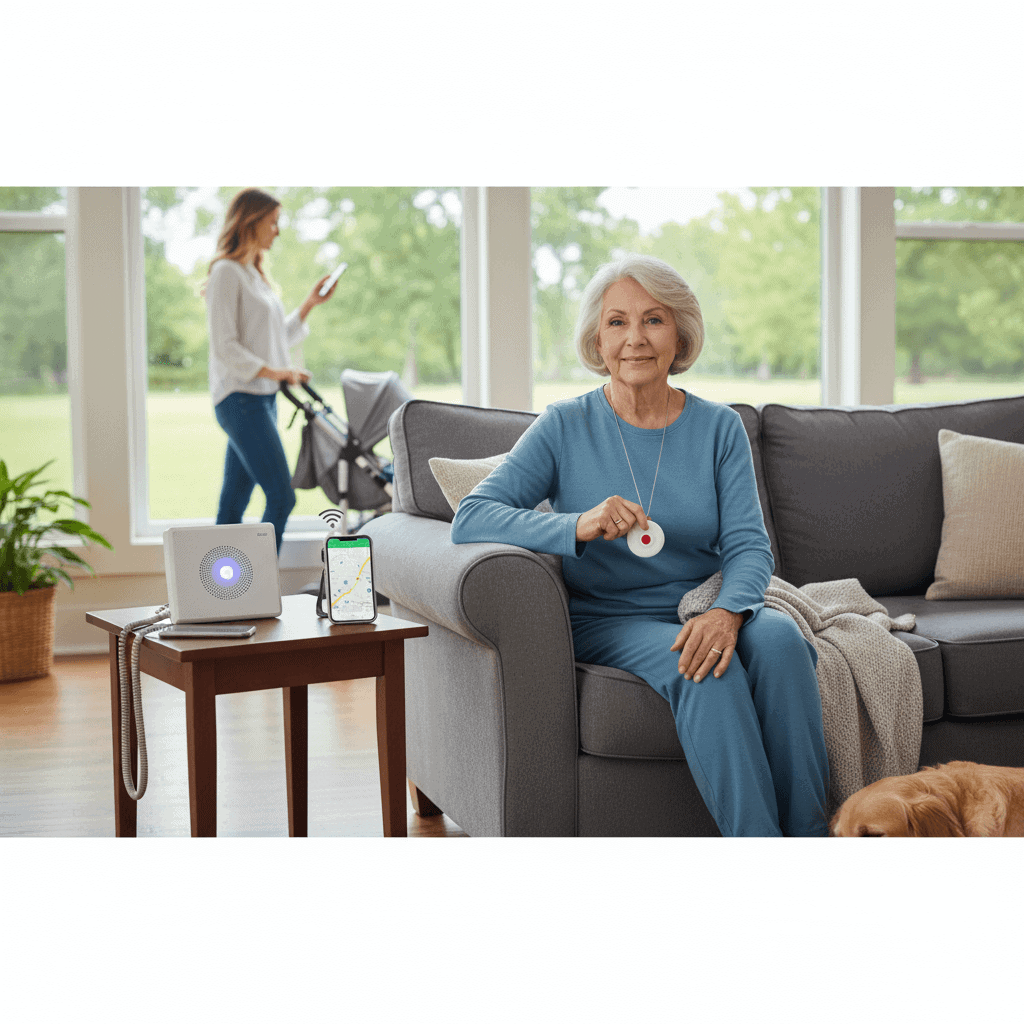
Choosing a medical alert system for a senior loved one is a decision that blends safety, lifestyle, and budget. Whether the need is to protect someone who spends most of their time at home or to keep a mobile senior connected while out and about, the right system can make a real difference in response time after a fall or sudden health episode. This article walks through the most important working differences and real world trade offs so you can pick a solution that fits daily routines and emergency needs.
I will compare core features, battery and connectivity concerns, service models, and real life examples so you can match technology to the person who will rely on it. If you want further reading and a side by side comparison, you can read the full story that goes deeper into specific models and plan details.
Senior Medical Alert Systems In Home or Mobile Considerations Explained
The phrase Senior Medical Alert Systems In Home or Mobile Considerations captures a basic decision point. In home systems usually plug into a landline or home internet and use a base unit with a wearable button. Mobile systems use cellular networks and GPS to connect wearable buttons to a monitoring center while on the move. Both kinds have overlapping capabilities but different strengths and limits.
When you match features to the senior’s routine you avoid paying for functions that will not be used and you reduce gaps in coverage that matter during an emergency. Below are specific areas to review for a balanced choice.
Coverage and Range Differences
Range is one of the first practical differences to check. In home units usually include a base station and a wearable pendant or wrist button. These typically work within 300 to 600 feet of the base station inside and near the property. If the senior spends time in the yard or garage check the device range in those locations.
- In home benefit example 1: strong indoor voice link from base to monitoring center through a home speaker that can be heard in most rooms.
- In home limitation example 1: a fall on a patio or in a detached shed can place the user outside coverage range.
- Mobile benefit example 1: cellular based units keep working even when the senior leaves home and often have GPS tracking for emergency responders.
- Mobile limitation example 1: poor cellular coverage in rural areas may degrade reliability.
Connectivity and Power Considerations
Power and data methods affect reliability. In home units often rely on the home telephone line or home internet service. They frequently have battery backup for brief power outages. Mobile units use cellular networks and have rechargeable batteries that must be charged regularly.
Battery management tips
For mobile devices set a daily charging routine that fits the senior s schedule. Consider a second charging base for travel. For in home units confirm battery backup life and test it monthly. You can place a note near the charger or set a reminder on a calendar so charging becomes part of the daily rhythm.
Connectivity checks to perform
Test the base unit s speaker and microphone in each key room. For mobile units check signal strength in neighborhoods where the senior walks and in places they frequently visit such as community centers or places of worship. Ask the provider about low signal alerts that warn you before the device fails to connect.
Life Style and Mobility Matching
A key part of choosing a system is matching it to the senior s patterns. A neighbor who rarely leaves the house and has a small apartment may find an in home unit both reliable and affordable. A senior who drives, walks with a friend, or attends frequent appointments will need mobile coverage to avoid gaps.
- Example scenario A: Mrs Garcia lives alone and enjoys gardening in a fenced yard. A high range in home system with tested outdoor coverage may be sufficient.
- Example scenario B: Mr Lee visits his adult children across town weekly and attends a senior exercise class. A mobile medical alert with GPS will follow him during those outings.
- Hybrid option: Some providers bundle an in home base with a mobile pendant. This allows full home coverage plus on the go protection for a single monthly fee.
Response Protocols and Monitoring Services
Understanding how monitoring staff handle alerts matters as much as button features. Some services route calls to a professional monitoring center that can contact emergency services directly. Other plans send alerts to designated family members first. Both options have trade offs.
- Monitoring center model: pros include trained staff who can speak calmly through the base unit or mobile speaker and dispatch emergency responders when appropriate. Cons include a monthly fee and potential wait times when centers are busy.
- Family first model: pros include direct notification of loved ones who may arrive faster in familiar neighborhoods. Cons include the possibility that family members are not available to respond at night or while at work.
Ask the provider for the standard response protocol. You can request that specific neighbors or local contacts be added as secondary contacts. Also confirm whether the service offers language support if needed.
Costs, Contracts, and Transparency
Price is often a deciding factor. Monthly fees vary by the type of coverage, the presence of GPS, and whether professional monitoring is included. One time costs can include equipment purchase or activation. Read contract terms and verify cancellation policy and warranty. If the senior has limited income explore discounts for veterans or for those enrolled in certain public programs.
- Tip 1 compare the total first year cost rather than only the monthly fee to see the real expense.
- Tip 2 check whether the company charges for software updates or replacement parts.
- Tip 3 ask about trial periods that allow you to return the device after testing at home.
Comfort, Wearability, and Usability
Even the best system will fail if the senior will not wear it. Pendants and wrist buttons come in many styles. Choose a device the senior finds comfortable and easy to put on and remove. Also evaluate the button size and tactile feedback. Buttons with a clear physical click are easier for someone with vision or dexterity limits.
Practical checks at setup
Set up the device with the senior alongside to confirm they can operate it while seated, standing, and moving from one room to another. Run a mock alert so they can hear the monitoring voice and understand the interaction. Place simple labels on chargers and bases so the process is repeatable by the senior or caregivers.
Privacy, Location Tracking, and Personal Preferences
Mobile units often include GPS location. While this can be lifesaving it also raises privacy questions. Discuss with the senior how and when location will be used. Some families prefer that location is activated only during an emergency call. Others want continuous location sharing for peace of mind during daily walks.
- Privacy checklist item 1 ask whether location data is stored and how long it is kept.
- Privacy checklist item 2 confirm who has access to location data and alerts.
- Privacy checklist item 3 check whether location reporting can be toggled on and off by the senior or a caregiver.
Choosing between in home and mobile options often comes down to whether the senior s day to day life extends beyond the front door. Combining systems or choosing a hybrid package covers most cases but may add cost. Evaluating actual routine activity, local cellular coverage, and the senior s comfort with wearables leads to a practical choice that matches needs and budget.
Conclusion
The choice between in home and mobile senior medical alert systems requires weighing everyday routines, range needs, battery and connectivity factors, response methods, and cost. In home units are strong when a senior spends most of their time at home and needs reliable indoor coverage. Mobile units provide protection during errands and outings and include location services that can be critical when a senior has memory loss or goes out alone. Many households will find hybrid plans worth the price if the senior is active and leaves the home frequently.
When you compare providers focus on real life testing. Run signal checks in the locations the senior commonly visits. Try a trial period when available so you can experience monitoring response times and the clarity of speaker communications. Talk with the senior about comfort and privacy preferences and document contact protocols for quick reference. If budget is a primary concern look for discounts and confirm total yearly cost rather than only monthly fees. Finally set up regular reviews so the plan still fits the senior s changing needs.
If you are ready to take the next step gather a shortlist of two or three providers that match your coverage needs and set up hands on demos at home. Include the senior in those sessions and confirm they feel confident using the device. A small amount of testing now can prevent delays in assistance when it matters most. Choose a path that keeps the senior safe while matching their daily life and personal comfort. Take action today and arrange a trial or demo to see which option fits best.