
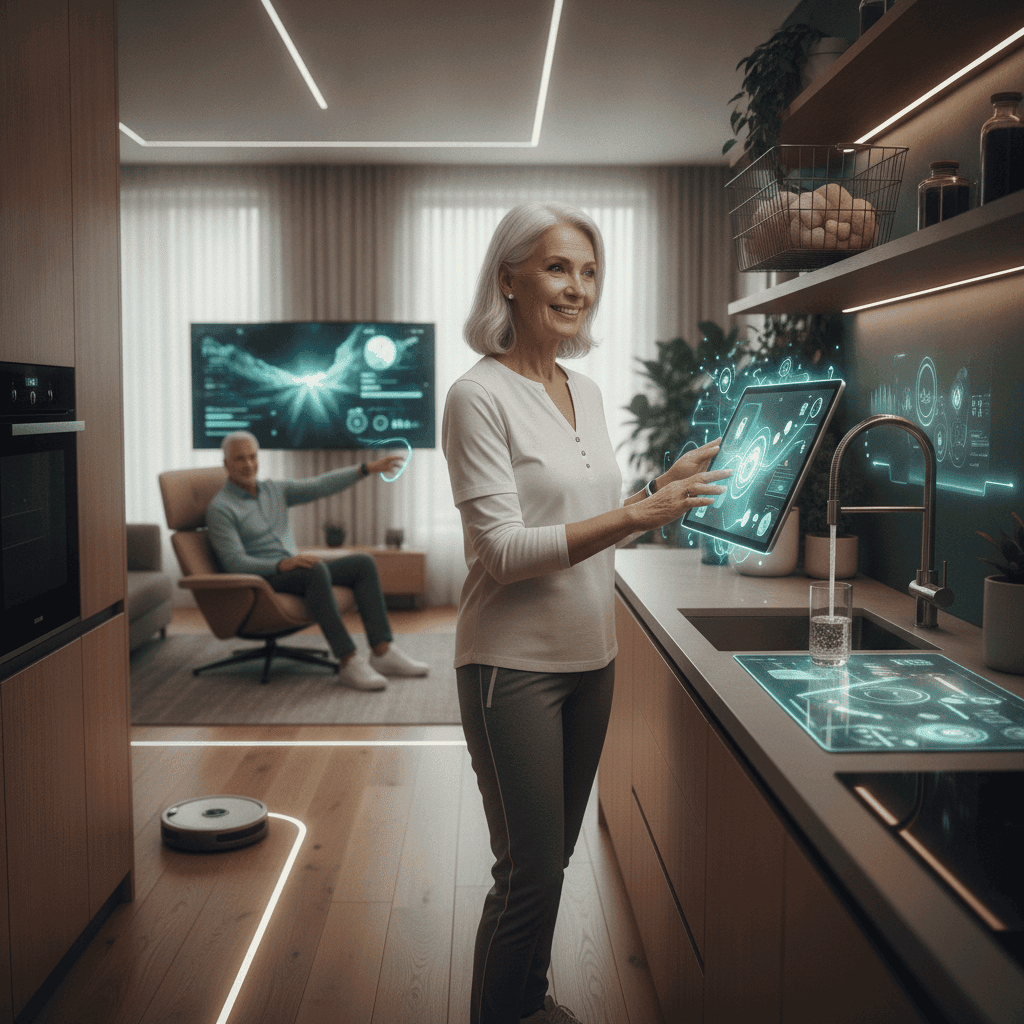
I have spent years observing how technology reshapes our daily lives. A particularly inspiring area is the use of smart home design to help people live independently for much longer. This trend is not just about convenience. It really focuses on extending autonomy and enhancing the quality of life, especially as we age.
Many of us cherish the idea of staying in our homes as we get older. We want to avoid the need for assisted living facilities for as long as possible. Smart home technology offers practical solutions to make this a reality. It empowers individuals to manage their environments with greater ease and safety.
I see smart home design as a powerful tool. It transforms traditional living spaces into supportive ecosystems. These systems adapt to changing needs and provide subtle, yet effective, assistance. They allow us to continue enjoying our familiar surroundings with confidence.
Understanding the Core of Smart Home Living for Seniors
When I talk about smart home living for seniors, I am referring to an integrated system of devices and technologies. These tools work together to create a more accessible, safe, and manageable home environment. It is not just about having a voice assistant. It means building a comprehensive system that responds to an individual’s specific needs.
This approach goes beyond simple automation. It involves a thoughtful design process. We consider how light, temperature, security, and communication can all be optimized. The goal is to reduce physical strain and mental stress. This allows for comfortable and sustained independent living.
Designing for Accessibility and Comfort
A key principle I always consider is accessibility. Smart home devices can greatly simplify tasks that might otherwise become challenging. For example, smart lighting systems eliminate the need to fumble for switches. They ensure clear pathways, preventing falls that are a common concern for older adults.
We can set schedules for lights to turn on automatically in the evening. This creates a well-lit environment before it gets dark. Motion sensors can also trigger lights when someone enters a room or moves through a hallway at night. This gives peace of mind and improves safety significantly.
Temperature control also contributes to comfort. Smart thermostats learn preferences and adjust settings based on occupancy. This ensures a consistently comfortable home without constant manual adjustments. It helps conserve energy too.
Automating Daily Routines for Ease and Comfort
Automating routine tasks can significantly reduce the daily burden on individuals. Smart devices can take over many mundane activities. This frees up time and energy for more enjoyable pursuits. I believe this aspect is fundamental to maintaining an active and fulfilling lifestyle.
Imagine your coffee maker starting on its own each morning. Picture your blinds opening with the sunrise. These small automations make a big difference. They create a seamless and supportive living experience.
Streamlining Household Tasks
Smart appliances are a game-changer for many households. Smart vacuums can keep floors clean without manual effort. Voice-activated devices can help create grocery lists or set reminders for medication. These technologies become unobtrusive helpers. They allow individuals to focus on what truly matters.
We can integrate smart plugs with existing appliances. This transforms ordinary items into smart devices. A bedside lamp can turn off with a voice command. A fan can activate when the room temperature rises too high. These small adaptations can enhance comfort and control over the environment.
Smart door locks offer another layer of convenience. They allow keyless entry and can be remotely controlled. This means a loved one can enter the home if needed without a physical key. It also provides an easy way to verify if the door is locked or unlocked, which is a common worry.
Enhanced Safety and Security Features
Safety and security are often top concerns for those who wish to live independently longer. Smart home design directly addresses these worries. It offers robust solutions that monitor the home and provide immediate alerts when necessary. This gives both the resident and their family greater peace of mind.
I have seen how effective these systems can be in real-world scenarios. They can prevent emergencies or ensure a swift response when something unexpected happens. This layer of protection is vital for maintaining independence.
Proactive Monitoring and Emergency Response
One of the most valuable aspects of smart homes is proactive monitoring. Motion sensors and door/window sensors can detect unusual activity. Smart smoke and carbon monoxide detectors provide instant alerts to phones. They can even notify emergency services automatically.
Personal emergency response systems, often wearable, can integrate with smart home hubs. A simple press of a button can summon help. Some advanced systems can even detect falls and trigger an alert without manual input. These features are truly life-saving.
Video doorbells and security cameras allow residents to see and communicate with visitors from anywhere. This prevents potentially unsafe situations. It also allows family members to check on the home remotely. This ensures everything is secure.
Health Monitoring and Telemedicine Integration
The ability to monitor health from home is a significant advantage of smart home design. It allows individuals to track their well-being and share data with healthcare providers. This promotes proactive health management and can reduce the need for frequent in-person appointments. I see this as a powerful step towards truly patient-centric care.
Integrating health devices into the smart home ecosystem helps create a holistic view of one’s health. This makes it easier to spot trends or potential issues early on. It also ensures that critical information is readily available when needed.
Connected Health Devices and Virtual Care
Numerous smart health devices are now available. These include smart scales, blood pressure monitors, and glucose meters. These devices can automatically record and transmit data to secure platforms. This information can then be easily shared with doctors or family members. This streamlines health reporting and tracking.
Telemedicine integration allows for virtual consultations directly from home. This is particularly beneficial for those with mobility challenges. It means less travel time and more convenient access to medical advice. This makes healthcare more accessible and less stressful.
Medication dispensers with smart reminders ensure medications are taken on time. This is a simple but effective way to improve adherence. It helps manage complex medication schedules, which can be a common challenge.
Connecting with Loved Ones and Caregivers
Maintaining strong social connections is essential for overall well-being. Smart home technology can bridge distances and facilitate communication. It ensures that individuals remain connected to their support networks. I have seen how these tools combat feelings of isolation. They promote a sense of security through constant contact.
Family and caregivers also benefit greatly from these systems. They gain peace of mind knowing that their loved ones are safe and well-supported. This constant connection helps everyone stay informed and involved.
Facilitating Communication and Support Networks
Voice assistants are incredibly useful for communication. They can initiate calls or send messages to family members with simple commands. This is especially helpful for those who may have difficulty using traditional phones. It simplifies staying in touch.
Smart display devices with video calling capabilities allow for face-to-face interactions. This fosters a more personal connection than voice calls alone. Family members can easily check in visually. This helps ensure that their loved ones are doing well.
Caregiver access portals can provide secure, real-time updates on home activity. This might include door open/close times or medication adherence. This transparency helps caregivers manage their responsibilities. It allows for timely intervention if any issues arise. This technology is truly redefining aging in place for many families.
Future-Proofing Your Home with Adaptable Technology
Investing in smart home design today means preparing for tomorrow. The technology continues to evolve rapidly. Choosing systems that are adaptable and scalable is crucial. This ensures that your initial investment will continue to serve your needs as they change over time.
I always advise clients to think about flexibility. Look for platforms that support a wide range of devices and integrate well with new innovations. This approach helps create a smart home that truly lasts.
Scalability and Integration for Long-Term Value
Opt for smart home hubs that use open standards or have extensive third-party integration capabilities. This allows you to add new devices and functionalities easily. It prevents you from being locked into a single brand’s ecosystem. You want a system that grows with you.
Consider modular designs. For example, start with smart lighting and security. Then expand to health monitoring or automated routines later on. This phased approach makes the transition to a fully smart home manageable. It also helps spread out the investment.
Regular software updates are also vital. They ensure that your smart home system remains secure and compatible with the latest technologies. This keeps your home at the forefront of independent living solutions.
Live Independently Longer with Smart Home Design
The journey to live independently longer is deeply personal, and smart home design offers a powerful ally in this pursuit. We have explored how these integrated systems provide tangible benefits, from automating daily routines and enhancing safety to supporting health monitoring and fostering vital social connections. I have personally witnessed the transformative impact these technologies have on individuals, giving them the confidence and capability to remain in their cherished homes. The ability to customize and adapt these systems means that a smart home is not a static solution, but a dynamic partner that evolves with your needs, ensuring continuous support and comfort. It is about empowering choice and preserving dignity in the later stages of life.
I believe that embracing smart home technology is an investment in your future autonomy and peace of mind. It is a proactive step towards a life lived on your own terms, surrounded by the familiarity and warmth of your home. If you or a loved one are considering how to extend independent living, I encourage you to explore the possibilities of smart home design. Research different systems, speak with experts, and envision how these innovations can create a more supportive and joyful living environment for years to come. Take action today to design a home that empowers you to live independently longer.