
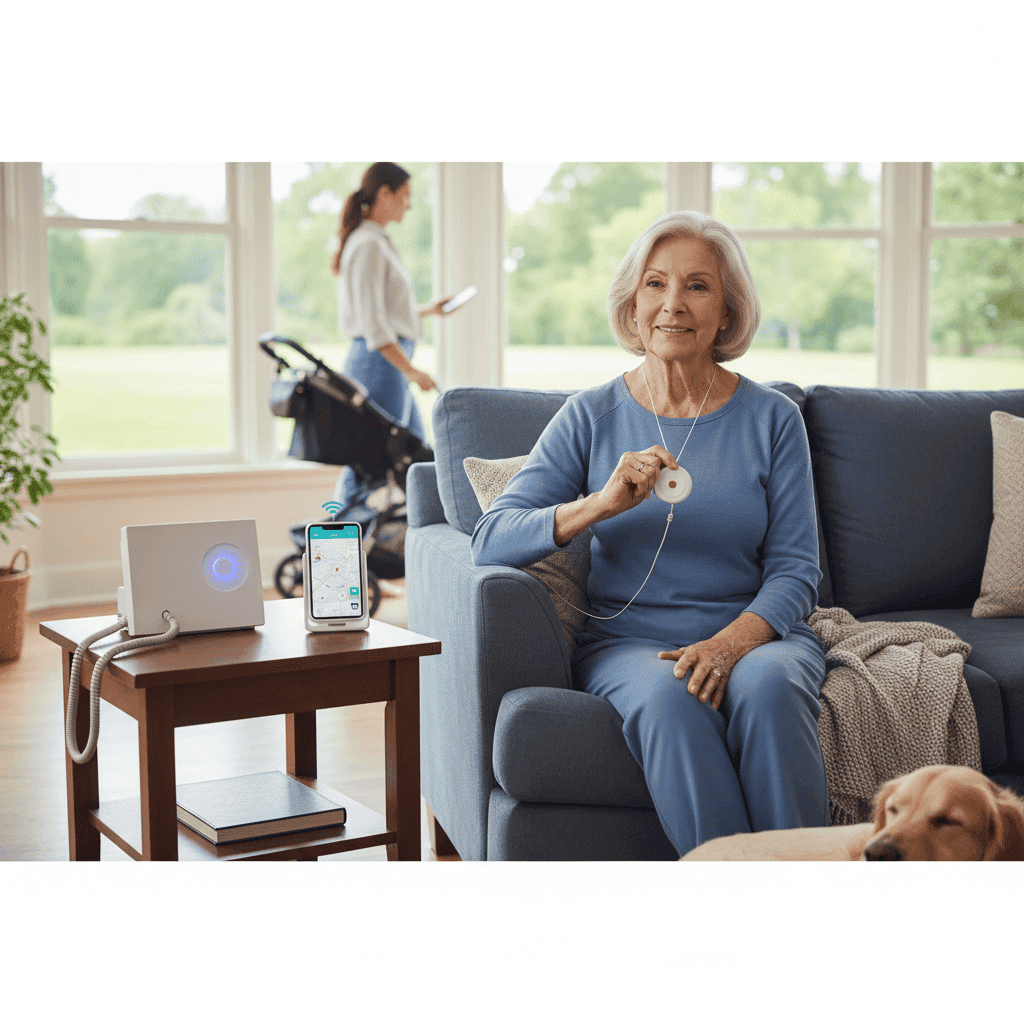
Choosing the right emergency alert setup matters for older adults and the people who care for them. Many families weigh in home devices against mobile units when they think about safety daily living and how to respond to falls or sudden health events. This article lays out practical points to consider when comparing Senior Medical Alert Systems In Home or Mobile Considerations so you can make a clear decision that fits routines and living arrangements.
We will cover the main differences safety features cost factors and real world tips for use. Expect actionable examples from typical senior lifestyles and guidance on matching a system to needs such as limited mobility neighborhood safety or frequent travel. Read on to learn what features matter most and how to choose a solution that supports independence without adding stress.
Senior Medical Alert Systems In Home or Mobile Considerations explained
The phrase Senior Medical Alert Systems In Home or Mobile Considerations points to a simple question. Will the person spend most time at a fixed address or moving about town and outdoors The answer changes which device makes sense. In home systems often rely on a base station that plugs into a phone line or internet connection and pairs with wearable pendants or wrist buttons. Mobile solutions use cellular networks and GPS so a user can call for help anywhere that has coverage.
Use the living pattern test to pick a direction. If daily life centers on one residence with occasional outings an in home model is usually cost effective and stable. If a person still drives visits friends or goes on walks a mobile alert gives safety coverage on the go. Consider both scenarios when transitions are likely such as a recent hospital discharge or a move to a different neighborhood.
Key differences between in home and mobile units
Comparing product types helps you set priorities. Below are the main functional differences that affect reliability ease of use and ongoing cost.
- Coverage In home systems are limited by the range between the wearable button and the base station. Mobile units use cellular service and GPS so coverage is broader.
- Location tracking Mobile devices can show a responder where the user is. In home devices are intended for help within the residence only.
- Battery and power In home base stations stay plugged in and are backed by battery backup. Mobile units run on rechargeable batteries and need regular charging.
- Response routing In home alerts often go to a monitoring center then to emergency contacts. Mobile units can route location data to the center as well which speeds response outside the house.
- Cost structure Both types may charge a monthly fee. Mobile service may cost more due to cellular plans and GPS support.
Safety features to evaluate in in home systems
When focus is on a single residence look at features that maximize in house protection. Some items matter more depending on the floor plan and the user health profile.
Fall detection pros and cons
Automatic fall detection senses rapid movement and impact and triggers a call even if the user cannot press the button. This can be a lifesaver in unattended falls. Accuracy varies by vendor and may produce false alarms when a person drops something or sits down quickly. Test the setting and confirm the vendor allows sensitivity adjustments. Also check how technicians handle false alarms when family cannot be reached.
Two way communication and range
Clear talk between the user and monitoring staff is essential. Evaluate the speaker volume and microphone quality on both the wearable and base station. Measure the effective range by walking to the far end of the home wearing the pendant then walking outdoors near doors and windows. Some systems offer range extenders that add coverage for large homes or detached garages.
Mobility and independence factors for mobile units
Mobile medical alerts are built to support activity outside the house. Focus on the features that sustain safety during daily routines and spontaneous trips.
GPS tracking and location services
GPS can find a person who falls or becomes disoriented. Look for devices that combine GPS with Wi Fi or cell tower data to improve location accuracy in urban canyons or indoors. Confirm how location information is shared and who receives it in an emergency. Privacy settings and consent are essential topics to discuss ahead of time.
Battery life and charging tips
Battery life determines whether a device is truly portable. Expect typical runtime between one and seven days depending on use and features. Choose a model with clear battery alerts and an easy charging routine. Examples include magnetic docks that sit on a nightstand or USB chargers that plug into a phone charger. For frequent travelers carry a compact power bank and set a daily charging habit like placing the device on charge during meals.
Cost subscriptions and long term value
Price is more than the sticker on the unit. Monthly fees and additional services determine lifetime expense and how quickly a plan pays off when compared to the level of risk reduction it provides.
- Up front costs Many providers sell the device at low cost or include it free with a contract. Watch for equipment activation or shipping fees.
- Monthly monitoring This fee covers the 24 hour call center response. Compare plans for how calls are routed care coordinator involvement and whether local emergency services are contacted directly.
- Add on charges Some plans charge for GPS use or premium location features. Ask about contract length early on.
- Insurance and VA benefits Check Medicare supplement plans and Veterans Affairs programs for possible reimbursement or discounts. Local charities may also provide support for low income seniors.
Choosing the right device for lifestyle health and living arrangements
Selecting the best option requires matching device strengths to daily life. Consider the following scenarios and pick the option that aligns with safety gaps.
- Mostly homebound with stairs An in home system with wide range and fall detection is often best.
- Active and social A mobile solution with GPS and strong battery will keep coverage during errands visits and walks.
- Shared living or memory care Track who should respond and consider systems that allow multiple emergency contacts and caregiver notifications.
- Frequent travel Confirm roaming cellular coverage and international support if travel is common.
If you want additional buying details and a checklist to compare top models see this reference to a focused guide read the full story before finalizing a purchase decision.
Practical setup tips and everyday use recommendations
Once you choose a system apply simple practices to get reliable service and minimize hassle.
- Place the base station in a central low obstruction location and test reception at the bedroom kitchen and garage.
- Program at least three contacts including a neighbor who is nearby and local emergency services if supported.
- Practice a button press drill so the user and relatives know the sequence of events when a call connects.
- Review the monitoring contract at set intervals to confirm it still fits the health and budget situation.
- Label chargers and create a daily routine for charging mobile units such as linking them to morning or evening habits.
Two real life examples illustrate how choices play out. A retired teacher who lives alone on a single story home chose an in home unit with fall detection and door sensors. The device provided rapid contacts and reduced worry during long nights. A grandfather who still volunteers at a community center selected a mobile unit with GPS and a multi day battery. He charges nightly and keeps family notified through the app so they can check in when he is out.
Tech support responsiveness matters. Ask about average call center wait times service hours and how escalations are handled. A friendly representative who can walk a user through a test call builds confidence more than a glossy marketing page.
Finally plan for life changes. Medical conditions or a move can change the best choice. Keep receipts and contract documents handy and pick a company that allows switching plans without heavy penalties.
Conclusion
Choosing between in home and mobile options comes down to where the person spends most of their time the kinds of risks to guard against and how much mobility matters. In home systems provide stable coverage for a single residence and often cost less per month. Mobile units add location tracking and freedom to leave the house while demanding a charging routine and sometimes higher service fees. Evaluate fall detection accuracy speaker clarity battery life and the way monitoring staff handle emergencies. Test devices in real settings involve the user in trials and compare total long term costs before deciding.
If you are ready to take the next step set a short checklist today. Confirm living pattern and primary risks list required contacts and compare two or three models side by side. Try a provider with a trial or short contract to verify the fit. Protecting an older adult does not mean removing independence. The right medical alert option balances safety and everyday life so seniors can stay active with a reliable way to summon help when it matters most. Act now to arrange a trial or consultation with a vendor and make a plan that keeps safety simple and workable.